
By Nathan Kiwere
In Uganda today, there is a rhythm in the air that cannot be ignored, a beat that resonates from city to village, from boda boda stages to boda boda speakers. It is the sound of Congolese music — magnetic, infectious, and woven into the cultural fabric of our daily lives. Ugandans’ fascination with music from the Democratic Republic of Congo is not merely a passing trend; it is a deep, lived experience that reveals much about the power of rhythm, identity, and shared humanity.
I remember clearly the first time I heard Congolese as a pre-teenager. The smooth rumba guitar, the rich harmonies, and the poetic lyrics carried me beyond the city traffic of Kampala into an entirely different world. It felt like a cool breeze on a sweltering afternoon — refreshing yet deeply familiar. That moment marked the beginning of what has only deepened into a cultural love affair between Ugandans and Congolese music.
This musical affinity is not rooted in novelty alone but in resonance. Congolese music, with its rich rhythmic guitar work, soulful vocals, and infectious dance moves, mirrors the celebration and lamentations that define our human experience. It is as if each Congolese guitarist strums the shared joys and struggles of East and Central Africa alike. And while each region expresses its uniqueness, the musical language remains universally understood.
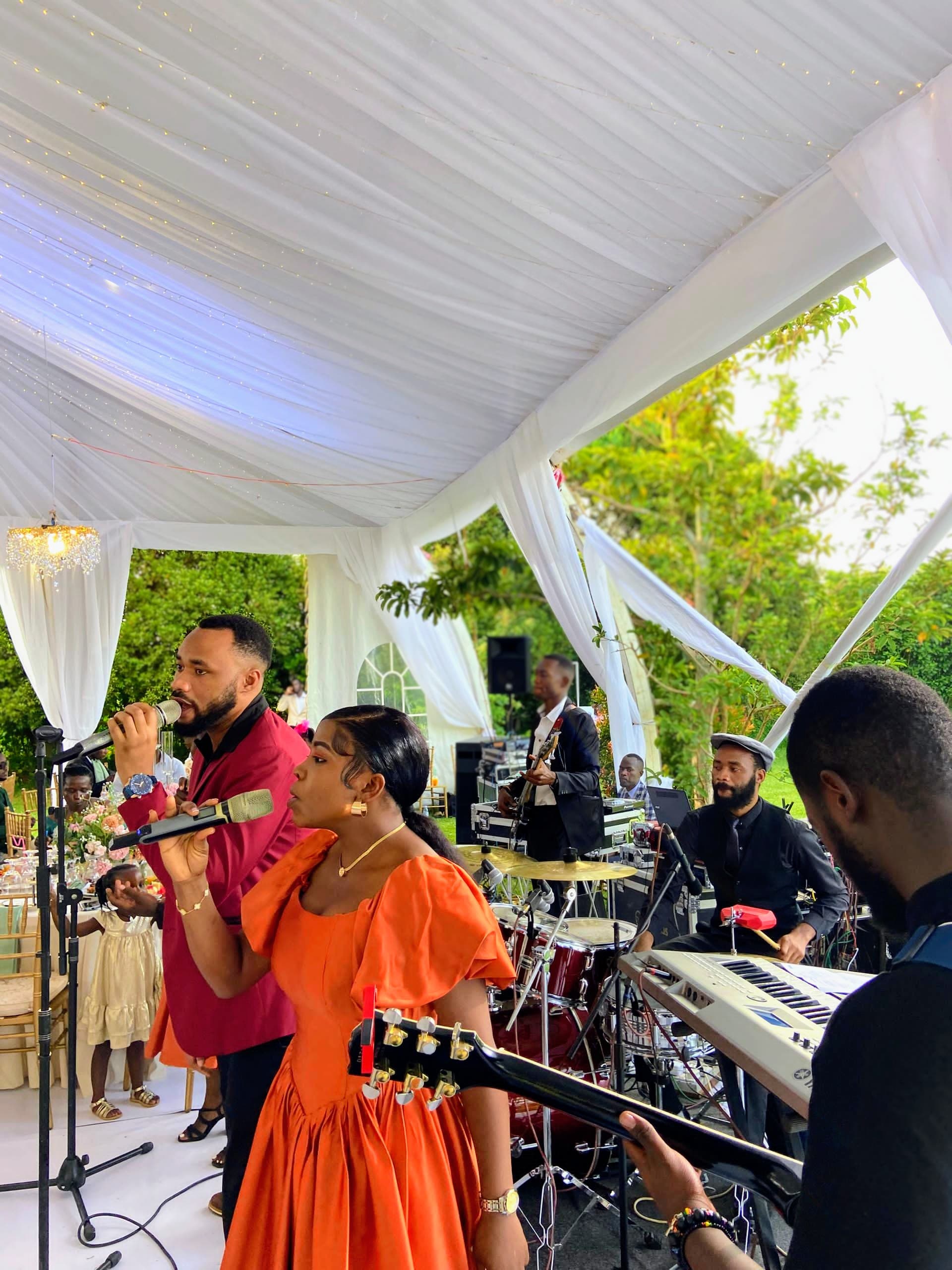
The diversity of Congolese music — from soukous to Ndombolo, from gospel-infused rhythms to Afro-fusion — has also found expression in Uganda’s own creative communities. A striking example is Melchizedek Band, a Congolese Afro-Gospel fusion ensemble based here in Uganda. Their music seamlessly blends Congolese dance rhythms with uplifting gospel lyrics, creating an auditory experience that feels both transcendent and grounded. At their concerts, crowds of Ugandans sway together, singing with hands high — the music acting as a bridge between identities, languages, and cultures.
In markets like Owino and Nakawa, DJs spin Congolese tracks alongside Ugandan hits, and sales of imported Congolese music CDs endure, even in the age of streaming. At weddings and funerals, Congolese songs often accompany the procession of life’s most important moments. In laughter and grief alike, these melodies tell stories that need no translation.
We might picture the shared musical culture between Uganda and Congo like a river that flows freely across borders — versatile, sustaining, and connecting communities on either side. Just as the Nile waters both countries and nourishes the lands it touches, so too does the river of Congolese music enrich the cultural landscapes of East Africa.
But what is it that makes this musical current so irresistible? Perhaps it is the emotional honesty embedded in the music — the raw expression of love, heartbreak, resilience, and hope. Or maybe it is the unspoken invitation to dance, to move not just feet but the very spirit within. Whatever the reason, Ugandans have embraced Congolese music not as an outsider’s novelty but as a treasured companion on the journey of life.
Indeed, the craze transcends mere fandom; it reflects a deeper cultural kinship, a testament to music’s unique power to unify across languages and ethnicities. In every upbeat tempo and soulful chord, Ugandans find echoes of their own stories. And in turn, Congolese music becomes not merely heard, but profoundly felt.
In the end, the beat goes on — across streets and stages, across hearts and cultures. And as the guitar strings hum and the voices rise, we are reminded that music, in its purest form, is a shared language of humanity.

Leave a Reply